
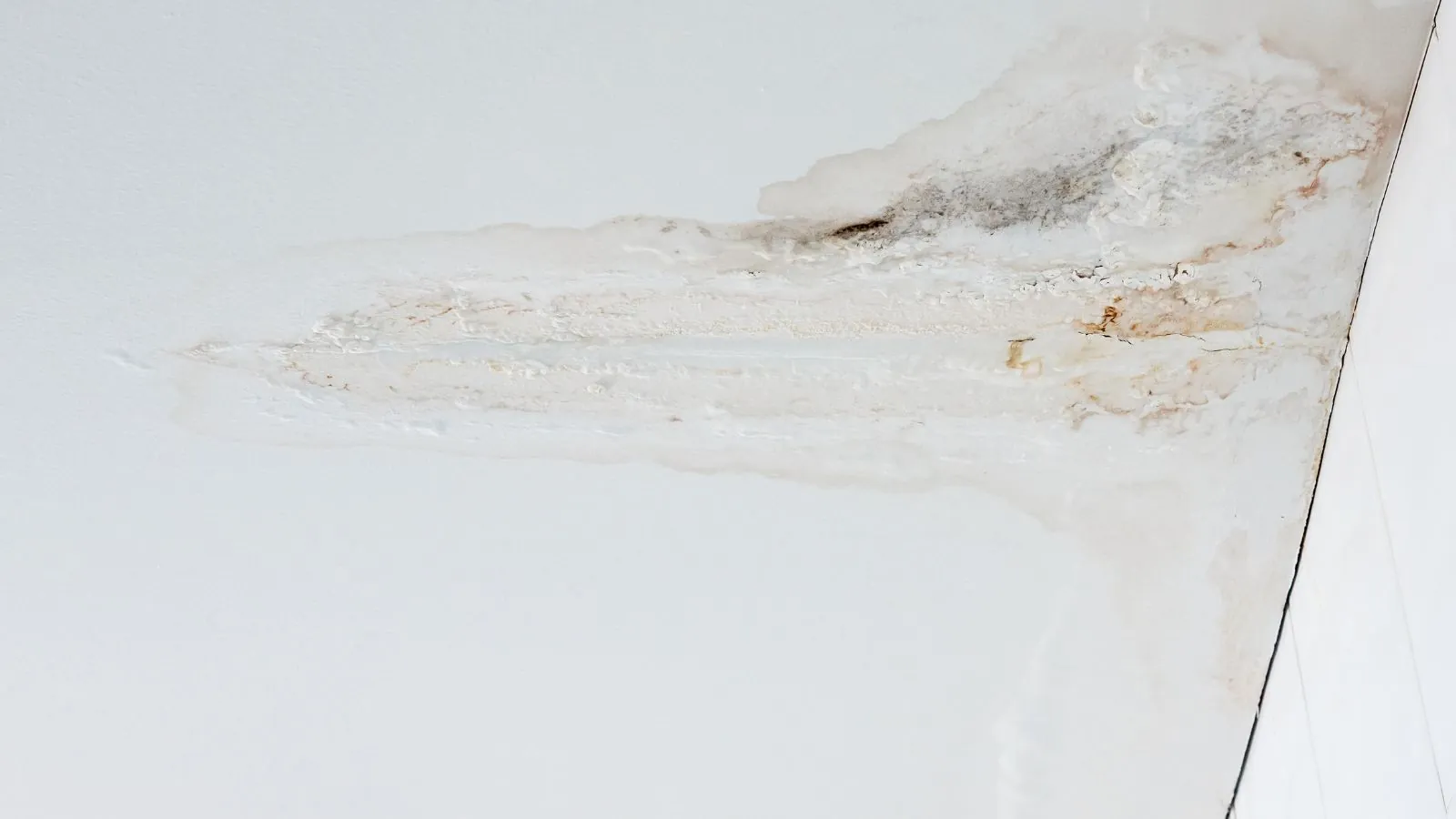
Water damage is one of the more expensive surprises a house can hold, and one of the easier ones to hide with paint. A careful buyer can spot most of the signs in a normal showing, with nothing more than a flashlight and a habit of looking at the bottom of things.
This guide is for buyers. It does not replace a licensed home inspector, and it is not legal advice.
Before the showing: what the records say
Start with the age of the house, because it tells you what to expect. Then ask your agent for the seller's condition disclosure and read every line about the basement, roof, plumbing and any past water problems. Ask directly whether there have been insurance claims for water.
Look up the property on the FEMA Flood Map Service Center. A lender will require flood insurance in mapped high-risk areas, and you should know before you fall for the kitchen.
Oak Creek facts a buyer should know
Oak Creek is a young city in housing terms. It incorporated in 1955 with a population still under 10,000, and reached 36,497 by 2020. Housing units went from 5,706 in 1980 to 11,897 in 2000 and 15,620 in 2020. More than half the city's homes were built after 1980, so many showings will be of houses with modern plumbing and drywall.
Flood history is public. The flood mitigation plan prepared for the city by the Southeastern Wisconsin Regional Planning Commission lists flood events in 1986, 1997 and 2000, and records flooding along Nicholson Road, East Ryan Road, East Puetz Road and East Forest Hill Avenue. A house near those corridors or near the Oak Creek stream is not a bad house, but it is one where you ask about the sump pump, the backup and the insurance.
Finally, ask what the house did on August 9 and 10, 2025. The airport weather station on the city's border recorded 5.74 inches in one day. A basement that stayed dry through that has passed a real test.
Sources: U.S. Census counts as compiled by the Encyclopedia of Milwaukee, the City of Oak Creek flood mitigation plan, Wisconsin State Climatology Office.
The basement: spend the most time here
- Look for
- A white, powdery line on concrete walls. It is mineral left by evaporating water and marks how high damp has reached.
- Stains or rust at the base of the furnace, water heater and steel posts.
- Fresh paint on basement walls or floor only. Ask why.
- A sump pit: is there a pump, does it run, is there a battery backup?
- New drywall or paneling on the bottom two feet of finished walls.
- A dehumidifier running. Useful, and also a clue.
- A musty smell, which you notice most in the first ten seconds.
Finished basements hide more than bare ones. Press gently on baseboards and the drywall just above them. Soft or swollen means it has been wet. Our basement water damage page explains what repair involves.
Ceilings and walls
Look up in every room, especially under bathrooms and at outside corners. A brown ring, a patch of different sheen or a slightly sagging area means water has been through. One stain properly repaired is no concern. A stain that has been painted but not explained is.
On walls, look at the bottom foot. Check under windows for staining or bubbling paint. Open closets on outside walls and smell them.
Kitchens, baths and laundry
Open the cabinet under every sink and look at its floor. Swollen or stained particleboard means a past leak. Look at the flooring in front of the dishwasher and beside the toilet and tub for lifting edges or discoloration.
In a laundry room, look at the wall behind the washer and the floor around it. If the laundry is upstairs, look at the ceiling of the room below. Check the age label on the water heater and the floor beneath it.
Floors
Walk slowly. Wood boards with raised edges have absorbed water from below. Laminate with swollen seams has been wet from above. Soft spots near exterior doors and in bathrooms suggest a wet subfloor. What these signs mean for repair is explained on our hardwood floor water damage page.
If you find something
Finding signs is not a reason to walk away. It is a reason to ask questions and to get numbers. Ask the seller what happened, when, and who repaired it. Ask for receipts.
| What you found | Sensible next step |
|---|---|
| An old, dry, explained stain | Note it for your inspector |
| A stain nobody can explain | Ask for a moisture reading before you offer |
| Musty smell with no visible cause | Have the inspector check for hidden damp or mold |
| Active damp or soft materials | Get a written repair scope and price to negotiate with |
A moisture meter settles whether a stain is history or still wet. We inspect homes in Oak Creek and nearby, including Franklin and Greendale, and provide a written scope.