
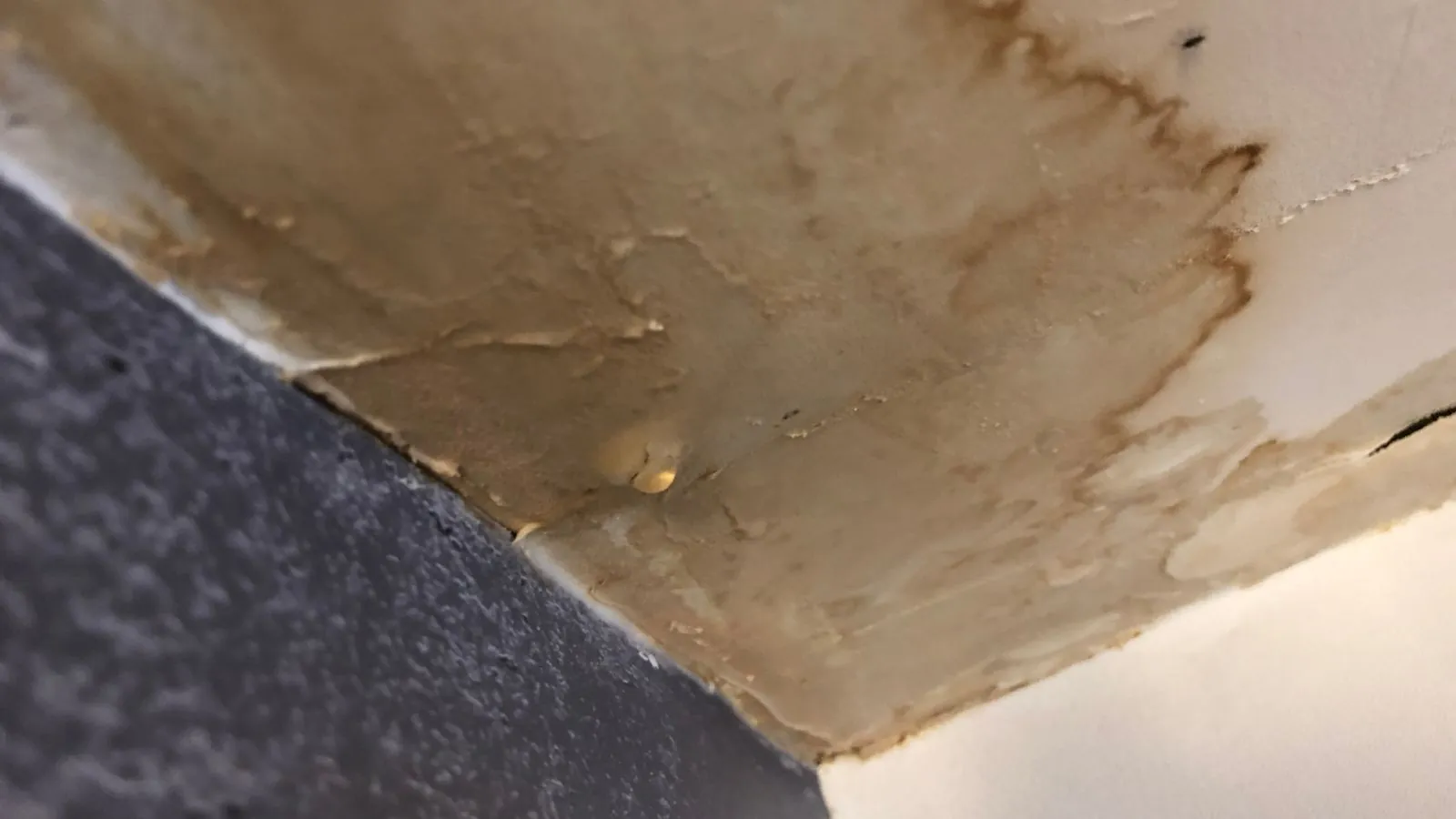
We are not going to print a price range here. Not because it is a secret, but because any range wide enough to be true is too wide to be useful, and we have no published local figure to cite. A splash from a toilet supply line and a basement full of storm water are both water damage.
What we can do is explain exactly what makes one job cost more than another. With that, you can read an estimate, ask the right questions and tell a fair one from a padded one.
The five things that set the price
| Factor | Lower cost | Higher cost |
|---|---|---|
| Water category | Clean supply water | Sewage or flood water |
| Area affected | Part of one room | Several rooms or levels |
| Materials | Drywall, vinyl, concrete | Hardwood, plaster, cabinets, insulation |
| Drying time | A few days of equipment | A week or more |
| Rebuild | None or minor | New drywall, flooring, trim and paint |
Every line on an estimate traces back to one of these. If you understand them, nothing on the page should surprise you.
Water category
The industry standard, ANSI/IICRC S500, sorts water into three categories by contamination. Category 1 is clean. Category 2 carries some contamination. Category 3 is grossly contaminated, which includes sewage and outdoor flood water.
Category drives cost because it decides what can be saved. Clean water lets a crew dry carpet, pad and drywall in place. Category 3 means those materials are removed, the structure is cleaned and disinfected and technicians work in protective gear. More labor, more disposal, more rebuild.
Area and time
Area is obvious: more wet square footage needs more equipment and more hours. Time is less obvious and often matters more. A leak found in ten minutes wets a few square feet. The same leak running through a workday wets rooms.
Time also changes category. Clean water left sitting does not stay clean. And it changes what can be saved, because materials that could have been dried on day one are replaced on day five. Acting quickly is the one cost factor a homeowner controls.
Materials
Some materials are simple to dry or replace and some are not. Drywall is quick either way. Solid hardwood can often be saved but needs specialized drying over many days. Plaster dries slowly. Kitchen cabinets may need to be lifted and reset. Insulation that gets wet is removed and replaced.
Finishes matter too. Matching an existing textured ceiling or a stained wood floor takes more work than a flat white ceiling or new carpet.
Mitigation and rebuild are priced separately
Most estimates have two parts. Mitigation is the emergency work: extraction, removal of ruined materials, drying and monitoring. Rebuild is putting things back: drywall, flooring, trim, paint.
They are separated because insurers handle them separately and because the rebuild scope is not fully known until drying is finished. It is reasonable for a company to price mitigation first and rebuild once walls are open and readings are normal.
Oak Creek factors that affect cost
A few local facts feed into the factors above. Oak Creek's housing stock is relatively recent: the city had 5,706 housing units in 1980 and 15,620 in 2020. Newer homes mean drywall and engineered materials, which are usually simpler to dry and match than plaster or old-growth flooring.
Second, permits. The City of Oak Creek requires a permit through its Building Inspection Department for foundation repairs, including drain tile. That is not restoration work, but if your wet basement leads to it, it is a separate cost and a separate contractor.
Third, insurance. Wisconsin's Office of the Commissioner of Insurance notes that sewer backup and sump pump overflow need a special endorsement. Whether you have it changes what you pay out of pocket far more than any line on the estimate. Check your policy or ask your insurer.
Sources: U.S. Census counts as compiled by the Encyclopedia of Milwaukee, City of Oak Creek permits pages, Wisconsin Office of the Commissioner of Insurance.
How to read an estimate
- Look for
- A description of the source and the water category.
- Each room listed, with what is being done there.
- Equipment by type, quantity and number of days.
- Materials to be removed, by area or length.
- Monitoring visits and the reading that ends the job.
- What is excluded, such as plumbing repair or rebuild.
Be wary of a single lump sum with no breakdown, or a price given without anyone visiting. You cannot check what you cannot see.
Questions worth asking
Ask what would make the price go up once work starts. The usual answer is hidden damage behind a wall, and a careful company will explain how it would tell you before going further. Ask how many days of equipment are assumed and what happens if drying finishes early.
Ask whether the price covers both drying and repair. Our structural drying page explains what the equipment lines mean, and water extraction covers the first stage.
We inspect and price jobs across Oak Creek and nearby towns, including Franklin and Hales Corners. The scope and price are explained before work starts.