
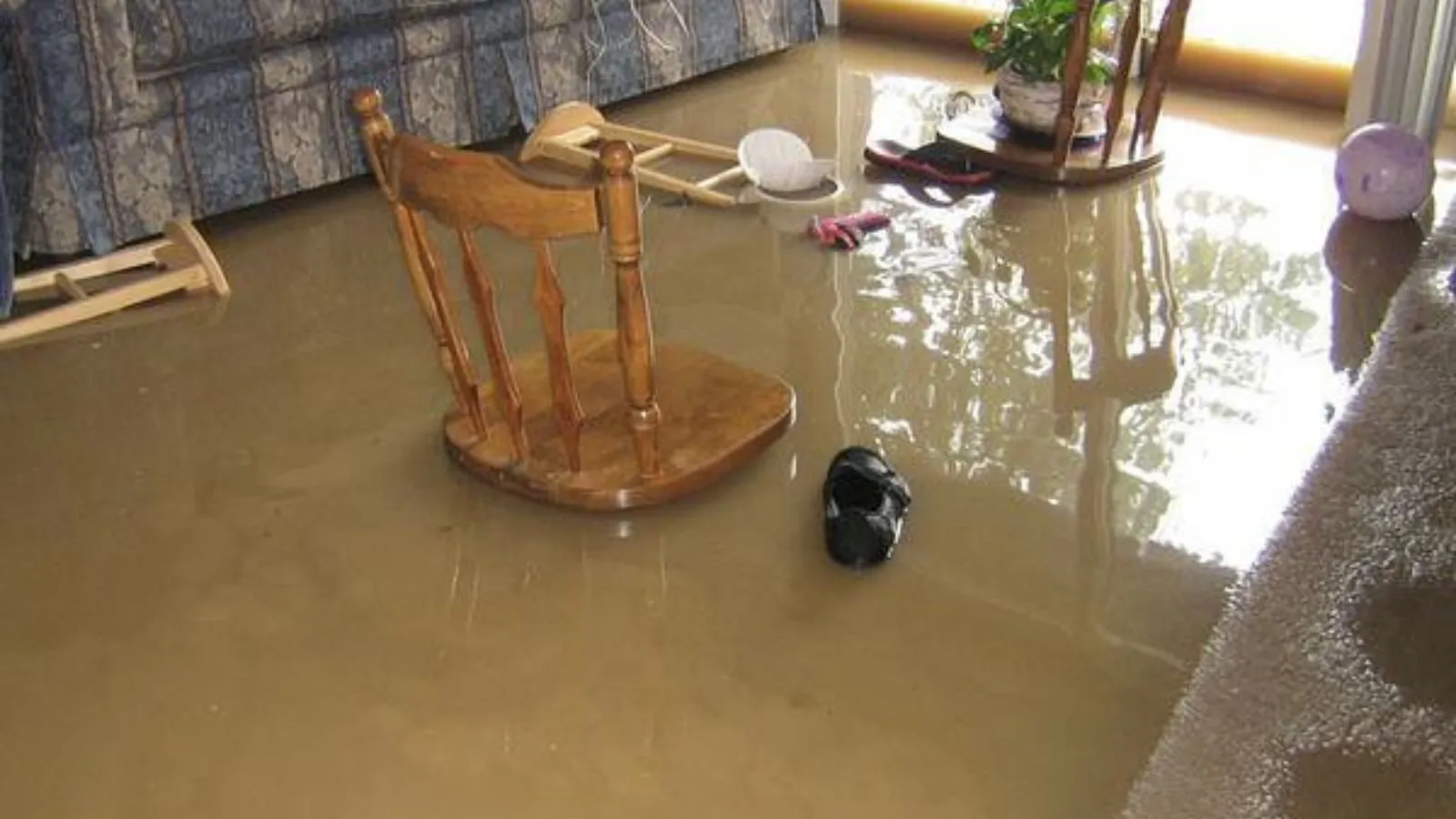
A soaked mattress or sofa is one of the harder calls after a leak. It is expensive, it may have sentimental value, and it looks fine once the surface dries. The trouble is on the inside, where thick padding holds water for days.
This guide gives a clear way to decide. It is general information. If anyone who will use the furniture has allergies or breathing problems, lean toward replacing it and ask a health professional.
Two questions decide it
First, what kind of water was it? Clean water from a supply pipe is one thing. Water from a washing machine discharge, a sump pit or a toilet is another. Water from a sewer or from outdoor flooding is a third, and that one has a simple answer.
Second, how long was it wet? The U.S. Environmental Protection Agency advises drying water-damaged items in the first 24 to 48 hours to prevent mold. A mattress that was soaked on Friday and found on Monday has missed that window by a long way.
Keep or discard: a decision table
| Item | Clean water, under 48 hours | Dirty water or over 48 hours | Sewage or flood water |
|---|---|---|---|
| Mattress, lightly wet on one face | Often dryable | Replace | Replace |
| Mattress, soaked through | Usually replace | Replace | Replace |
| Foam cushions with removable covers | Dry foam and wash covers | Replace foam | Replace |
| Fully upholstered sofa or chair | Dry promptly, check frame | Usually replace | Replace |
| Leather furniture | Wipe, dry slowly, condition | Assess the padding | Replace |
| Solid wood frames and tables | Dry slowly | Clean and dry | Clean, disinfect and dry |
| Particleboard or MDF furniture | Replace if swollen | Replace | Replace |
A general guide based on the water categories in ANSI/IICRC S500 and EPA advice on porous materials.
Why mattresses are the hardest
A mattress is several inches of foam, fiber and fabric, sometimes with springs inside. Water runs to the middle and stays. The surface can feel dry in a day while the core is still wet a week later.
You sleep with your face against it for hours. That is why the bar for keeping one is higher than for a chair. If only a corner got splashed with clean water and you dealt with it the same hour, it can be dried. If it sat in water, replace it.
How to dry what can be saved
- For clean-water wetting caught early
- Get it out of the wet room and off the wet floor.
- Stand a mattress on its long edge so air reaches both faces.
- Blot with clean towels, pressing hard. Do not rub.
- Remove cushion covers and wash them. Stand the foam on edge.
- Run a fan across the item and a dehumidifier in the room, with the door closed.
- Turn it every few hours. Expect it to take days, not an afternoon.
Sunlight helps on a dry day, but do not leave upholstery outside overnight. Do not use a hair dryer or heater up close, which can damage foam and fabric. When you think it is dry, press a dry paper towel hard into the thickest part for a minute. If it picks up any damp, it is not finished.
Why drying furniture is harder in an Oak Creek summer
Whether a damp sofa dries or molds depends on the air around it. Climate normals for Milwaukee, taken at the airport on Oak Creek's northern border, show June as the wettest month of the year, and summer air from Lake Michigan is humid.
The EPA's guidance is to keep indoor humidity below 60 percent, ideally between 30 and 50. On a humid July day, putting a wet cushion by an open window does very little. Close the room and run a dehumidifier. In January, when the average low is 17.2 degrees and heated indoor air is dry, the same cushion dries far quicker.
One more local point. Water that came up a floor drain here is from the regional sewer system and is treated as sewage. Upholstered items it touched are not worth trying to save.
Sources: Wisconsin State Climatology Office climate normals, U.S. Environmental Protection Agency mold and moisture guidance.
Signs it did not work
A musty smell that returns when the room is closed up. Dark specks on the underside or along seams. Fabric that feels cool or clammy days later. A water ring that keeps spreading. Any of these means there is still moisture inside, and at that point replacing is the sensible choice.
The EPA's general rule for porous materials applies: once they are moldy they may have to be thrown away, because mold grows into the material and cannot be fully removed.
Do not forget what is underneath
Furniture hides wet flooring. The carpet under a sofa stays wet longest because no air reaches it. Furniture legs leave rust and stain marks on damp carpet, and wood legs wick water upward.
Move everything off the wet area, put foil or plastic under legs that must stay, and have the floor checked. The carpet decision is explained on our carpet water damage page, and drying of the room itself under structural drying.
Insurance and disposal
If you are making a claim, photograph each item before you move it and again before you dispose of it. Note the brand, the age and what it cost. Ask your insurer before throwing anything out unless it is a health hazard. Coverage for belongings depends on your policy and the cause of the water.
We handle water damage in homes across Oak Creek and nearby towns, including Franklin and Hales Corners. We dry buildings. We will tell you plainly which contents are worth the effort.