
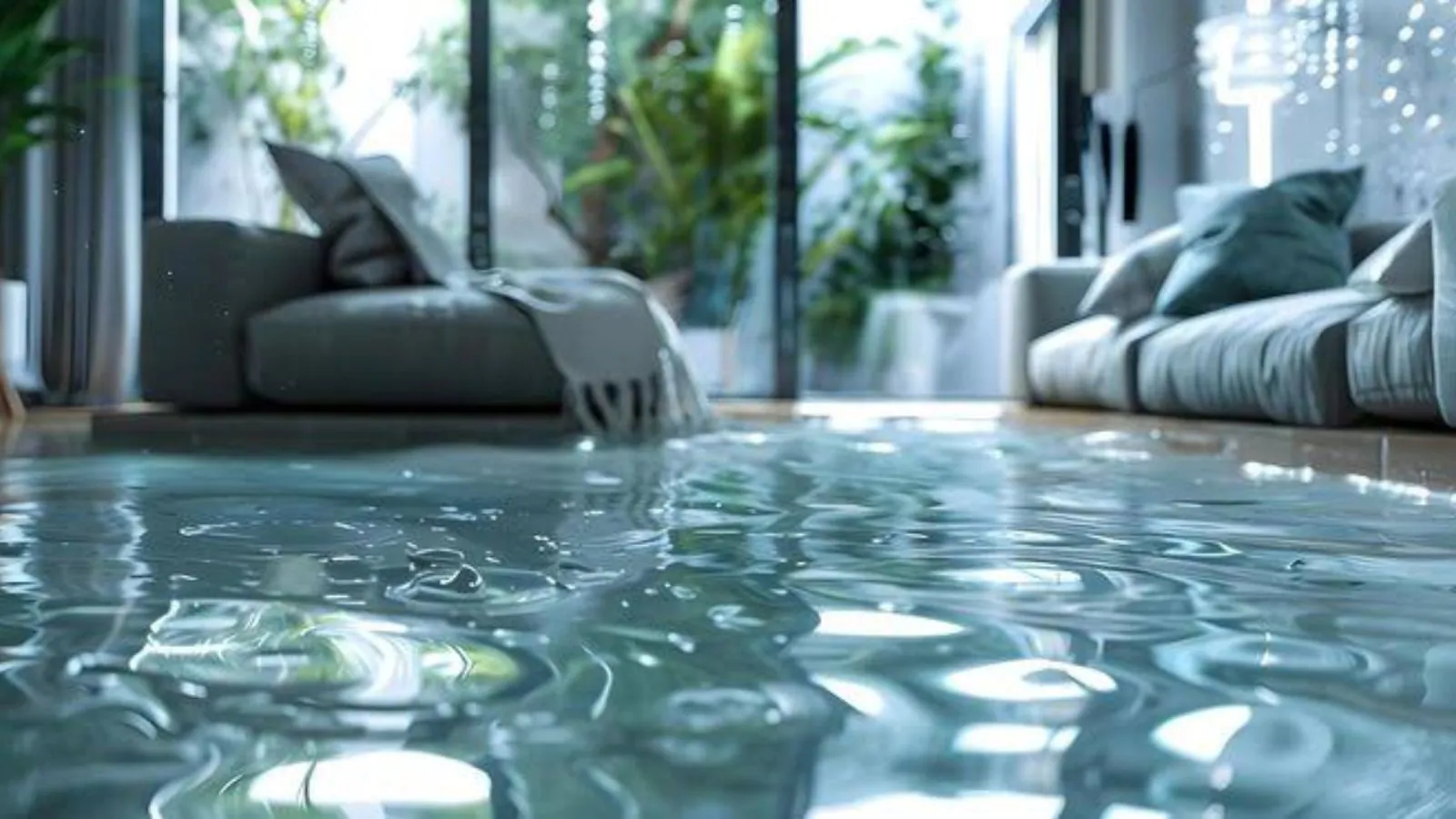
Water mitigation is the emergency work that stops a water loss from getting worse. It covers stopping the source, removing the water, taking out materials that cannot be saved and drying what remains. It does not include rebuilding.
If an adjuster, a plumber or a contractor has used the word and you nodded without being sure, this guide is for you.
Mitigation, restoration, remediation: three words, three jobs
| Term | What it means | Typical tasks |
|---|---|---|
| Mitigation | Limiting the damage | Extraction, removal of ruined materials, drying, temporary protection |
| Restoration | Putting the building back | Drywall, flooring, trim, paint, cabinets |
| Remediation | Removing a contaminant | Mold or sewage removal under containment |
Mitigation comes first and is urgent. Restoration follows when the structure is dry. Remediation is only needed when mold or contamination is present. Estimates often list them separately because insurers treat them separately.
What mitigation includes, step by step
It starts with an assessment. A technician identifies the source and the water category, then maps the wet area with a moisture meter and often a thermal imaging camera.
Next is water removal. Standing water is pumped or vacuumed out. This is the single most effective step, because liquid water is far quicker to remove than moisture already absorbed.
Then selective demolition. Materials that cannot be dried or cleaned, such as soaked insulation, swollen particleboard and anything touched by sewage, are removed. Drying follows, with air movers and dehumidifiers running until readings are normal. Finally the area is cleaned and any antimicrobial treatment is applied where the water was not clean.
Why the clock matters
Mitigation is time-critical for a simple reason. Materials keep absorbing water until it is removed, and what is wet for longer is harder to save. Drywall softens. Wood swells. Clean water picks up contamination as it sits.
The U.S. Environmental Protection Agency advises drying water-damaged areas and items in the first 24 to 48 hours to prevent mold growth. Mitigation is the organized way of meeting that window.
Mitigation in Oak Creek's climate
Local weather shapes how mitigation is done here. The 1991 to 2020 climate normals for Milwaukee, recorded at the airport on Oak Creek's northern border, show 34.57 inches of precipitation a year with June as the wettest month. Summer air off Lake Michigan is humid.
That matters because drying depends on dry air. The EPA's target for indoor humidity is below 60 percent, ideally 30 to 50. On a muggy July day, opening the windows brings in air wetter than that. So in summer the space is closed up and dehumidifiers do the work.
Winter is the reverse. The average January low is 17.2 degrees, the house is heated and indoor air is dry, which helps. But the building has to stay warm for drying to work, and outside walls are cold.
Sources: Wisconsin State Climatology Office climate normals, U.S. Environmental Protection Agency mold and moisture guidance.
When is mitigation finished?
Not when the floor looks dry. Mitigation is finished when moisture readings in the affected materials match readings from the same materials in a dry part of the building. That comparison is the method in ANSI/IICRC S500, the industry standard for water damage restoration.
A proper job leaves a record: the readings on day one, the daily readings after that and the final numbers. Ask to see it. If nobody measured, nobody knows.
The same record protects you later. If a musty smell appears a month on, the log shows whether that wall was ever confirmed dry, and an insurer reviewing the equipment charges will ask for the same numbers.
What mitigation does not include
It does not include fixing the cause. A plumber repairs the pipe, a roofer the roof. It does not include rebuilding, which is restoration. And it does not include a decision about insurance coverage.
It also does not mean everything is saved. Honest mitigation removes what has to go. A contractor who promises to dry everything in place, whatever the water category, is promising something the standard does not support.
How to read a mitigation estimate
Look for these lines: emergency service or assessment, extraction, equipment by type and number of days, removal of specific materials by area, cleaning or antimicrobial application, and monitoring visits. Each should relate to something you can see or a reading you can be shown.
Ask why each piece of equipment is there and what reading will end the job. If standing water is involved, the first line should be extraction, explained on our water extraction page. Soaked flooring decisions are covered under carpet water damage.
We carry out mitigation across Oak Creek and in nearby towns, including Franklin and Greendale.